Frontiers in Pediatrics, 14/07/2026
Introduction
Severe acquired brain injury (SABI) is a leading cause of mortality and long-term neurological disability in children. Current management in the Pediatric Intensive Care Unit (PICU) mainly focuses on preventing secondary brain injury, while effective neurorestorative therapies remain unavailable.
Mesenchymal stem cells (MSCs) can be isolated from bone marrow, adipose tissue, and umbilical cord. According to the International Society for Cellular Therapy (ISCT), MSCs are defined by plastic adherence, expression of CD73/CD90/CD105, absence of hematopoietic markers, and tri-lineage differentiation potential. MSCs are biologically distinct from bone marrow mononuclear cells (BM-MNCs) and umbilical cord blood mononuclear cells (UCB-MNCs), which should not be considered interchangeable in clinical studies.
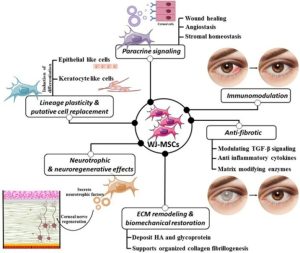
Preclinical studies suggest that MSCs promote recovery primarily through paracrine and immunomodulatory mechanisms rather than direct neuronal replacement. By secreting trophic factors, anti-inflammatory cytokines, and extracellular vesicles (exosomes), MSCs reduce neuroinflammation, enhance angiogenesis, stimulate endogenous neurogenesis, preserve blood–brain barrier integrity, and attenuate reactive gliosis.
Early clinical studies in pediatric traumatic brain injury, hypoxic-ischemic encephalopathy, and cerebral palsy suggest that cell therapy is safe and may improve neurological function. However, evidence remains limited because most studies involve small cohorts, heterogeneous cell products, and lack randomized controlled designs.
The aim of this study was to describe a single-center experience using adjunctive MSC therapy in critically ill children with severe acquired brain injury. This retrospective case series is intended to provide descriptive clinical data and generate hypotheses for future research, rather than establish treatment efficacy.
Methods
This was a single-center retrospective case series conducted in the Pediatric Intensive Care Unit (PICU) of Ankara University Faculty of Medicine, Türkiye, a tertiary academic referral center. The study was approved by the Ankara University Ethics Committee (Decision No. 2025/336). Written informed consent for MSC therapy was obtained from the parents or legal guardians of all patients before treatment, and the study was conducted in accordance with the Declaration of Helsinki.
Patient selection
Pediatric patients who received adjunctive mesenchymal stem cell (MSC) therapy between January 2019 and August 2023 were retrospectively reviewed. Eligibility criteria included: (1) severe acquired brain injury (traumatic or non-traumatic) within approximately one month of the initial event; (2) persistent severe impairment of consciousness despite optimal intensive care (GCS ≤ 8 and PCPC consistent with coma or vegetative state); (3) sufficient clinical stability for treatment during the subacute or chronic phase; (4) no contraindications to the planned administration route, particularly no markedly elevated intracranial pressure, brain herniation, or active intracranial hemorrhage for intrathecal delivery; and (5) treatment approval by a multidisciplinary team of pediatric intensive care and pediatric neurology specialists, followed by comprehensive family counseling and informed consent.
Conventional treatment
Before and during MSC therapy, all patients received standardized pediatric neurocritical care according to institutional protocols and international PICU practice. Management included mechanical ventilation when indicated, maintenance of age-appropriate blood pressure and cerebral perfusion, normothermia (without therapeutic hypothermia), and intracranial pressure management based on clinical and neuroimaging findings. When cerebral edema or intracranial hypertension was suspected, hypertonic saline was used together with adequate sedation and analgesia. Additional care included antiepileptic prophylaxis, continuous electroencephalographic (cEEG) monitoring, maintenance of normal electrolyte and hematologic parameters, antimicrobial therapy when indicated, early enteral nutrition, and early rehabilitation with passive mobilization, positioning, and pulmonary physiotherapy.
MSC product, preparation, and characterization
All allogeneic MSC products were manufactured at the Tissue and Cell Production Center, Ankara University Stem Cell Institute, a facility licensed by the Turkish Ministry of Health. MSCs were derived from human bone marrow or human umbilical cord blood, depending on product availability and individual treatment plans. All MSC products were expanded and characterized according to the International Society for Cellular Therapy (ISCT) minimal criteria, including plastic adherence, expression of CD73, CD90, and CD105 (≥ 95%), absence of CD34, CD45, CD14, CD11b, CD19, and HLA-DR (≤ 2%), and demonstrated tri-lineage mesenchymal differentiation potential. Before clinical release, each product underwent sterility, mycoplasma, endotoxin, and cell viability testing in accordance with national tissue and cell manufacturing standards.
MSC administration protocol
Patients received 3-5 sessions of allogeneic MSCs at a dose of 1-2 × 10⁶ cells/kg per session. MSCs were administered intravenously (IV) and/or intrathecally (IT) depending on each patient’s clinical condition. The IV route was preferred when intrathecal injection was contraindicated, particularly in cases of significant intracranial hemorrhage, suspected elevated intracranial pressure, cerebral edema, or mass effect. The IT route was selected when no contraindications existed to enable direct delivery into the cerebrospinal fluid. In selected patients, both IV and IT routes were used in different treatment sessions to provide both systemic and direct central nervous system exposure.
The interval between treatment sessions ranged from 10 days to 2 weeks, depending on MSC product availability rather than a predefined schedule. All MSC administrations were performed under continuous monitoring of vital signs and neurological status to ensure patient safety.
Outcome measures
Primary outcome measures were the Glasgow Coma Scale (GCS) (pediatric version for children < 5 years and standard version for older children) and the Pediatric Cerebral Performance Category (PCPC). The PCPC is a six-level scale: 1 = normal; 2 = mild disability; 3 = moderate disability; 4 = severe disability; 5 = coma/vegetative state; 6 = brain death. PCPC was assessed at baseline, 1 month, and 6 months after MSC therapy, while GCS was recorded at baseline and at the 6-month follow-up.
Because most patients were intubated, mechanically ventilated, and continuously sedated, GCS assessments were performed during planned sedation interruptions whenever clinically feasible. The verbal component was modified or recorded as non-testable in patients unable to speak due to intubation or tracheostomy. Neurodevelopmental status was interpreted according to age, and these factors were recognized as potential confounders when interpreting GCS changes. Illness severity at PICU admission was assessed using PRISM III and PELOD-2 scores. Additional data collected included patient demographics, comorbidities, indication for MSC therapy, ventilator support, MSC source, administration route, dose per session, number of treatment sessions, PICU and hospital length of stay, and clinical outcomes.
Neuroimaging and EEG
As the study PICU is a tertiary referral center, many patients were transferred from other hospitals and later referred back to local pediatric neurology services after stabilization. Consequently, CT, MRI, and EEG examinations were performed at multiple institutions using different protocols, equipment, and assessment time points. Available imaging studies and reports were reviewed whenever accessible. Because the imaging data were not standardized, systematic longitudinal quantitative analysis was not feasible. Instead, the study provides a qualitative description of baseline and follow-up neuroimaging findings in the results section.
Safety Monitoring
Safety was monitored prospectively during clinical care and reviewed retrospectively for this study. Procedure-related adverse events were assessed during each MSC administration and for at least 24 hours afterward. For intravenous (IV) administration, monitored events included fever, infusion-related reactions, allergic/anaphylactic reactions, hemodynamic instability, respiratory deterioration, and pulmonary embolism. For intrathecal (IT) administration, monitored events included fever, headache, signs of elevated intracranial pressure, nausea/vomiting, neurological deterioration, cerebrospinal fluid infection, and chemical meningitis. During the 6-month follow-up, long-term safety surveillance included monitoring for new neurological deficits, increased seizure frequency, and clinical or radiological evidence suggestive of tumorigenesis.
Results
Patient Characteristics
During the study period, six pediatric patients (5 males, 1 female) received adjunctive MSC therapy. The median age at treatment was 65.5 months (range: 2-204 months), and the median body weight was 27.0 kg (range: 5-56 kg). Five of six patients had underlying comorbidities, including neonatal hemorrhagic disease, congenital laryngeal atresia requiring permanent tracheostomy, non-compaction cardiomyopathy, primary immunodeficiency, and life-threatening arrhythmia. The indication for MSC therapy was hypoxic-ischemic brain injury following cardiac or respiratory arrest in five patients, and penetrating traumatic brain injury caused by a gunshot wound in one patient. At PICU admission, the median PRISM III score was 9.5 (range: 4-16), and the median PELOD-2 score was 21 (range: 21-27), indicating severe critical illness.
Conventional Treatment and Pre-MSC Course
All six patients required mechanical ventilation before receiving MSC therapy, with a median ventilation duration of 26 days (range: 20-305 days). During this period, all patients received standard pediatric neurocritical care, including continuous electroencephalographic (cEEG) monitoring with antiepileptic treatment when clinical or subclinical seizures were detected; hemodynamic management to maintain adequate cerebral perfusion pressure, with antihypertensive therapy when indicated; sedation and analgesia as clinically required; hypertonic saline for cerebral edema; maintenance of normothermia; and early physical therapy and rehabilitation.
MSC Therapy
Allogeneic MSCs were derived from bone marrow in four patients and umbilical cord blood in two patients. Each patient received 3-5 treatment sessions (median 3 sessions) at a dose of 1-2 × 10⁶ cells/kg per session. Regarding the administration route, one patient received intrathecal (IT) therapy only, two patients received intravenous (IV) therapy only, and three patients received a combination of IV and IT administration. The IV route was selected for patients with significant intracranial hemorrhage, mass effect, or suspected elevated intracranial pressure, whereas the IT route was used only when these contraindications were absent.
Neurological outcomes
Neurological function improved during the 6-month follow-up. The median GCS increased from 4 (IQR: 3-5) before treatment to 11 (IQR: 9-14) at 6 months, representing a statistically significant within-cohort improvement (p = 0.026). At baseline, all six patients had a PCPC score of 5 (coma/vegetative state). After 1 month, all patients improved (three to PCPC 4 and three to PCPC 3). At 6 months, one patient recovered to PCPC 1 (normal), two patients improved to PCPC 2 (mild disability), while three patients remained at PCPC 4 (severe disability). The median PCPC improved from 5 at baseline to 4 at 1 month and 3 at 6 months, with a statistically significant change over time (p = 0.004). However, because of the small sample size and the absence of a control group, these findings reflect within-cohort improvement over time and do not establish that MSC therapy was the direct cause of the neurological recovery. Following treatment, three of six patients were successfully weaned from mechanical ventilation, whereas three continued to require respiratory support, including two via tracheostomy. All six patients survived. The median PICU stay was 61.5 days (range: 37-83 days), and the median hospital stay was 103.5 days (range: 88-249 days).
Imaging Findings
Across all six patients, neuroimaging consistently demonstrated severe hypoxic-ischemic, hemorrhagic, or traumatic brain injury, with chronic structural sequelae including encephalomalacia, cerebral atrophy, and ventricular enlargement. Because imaging protocols and follow-up schedules were not standardized across institutions, the study could not quantitatively assess structural brain recovery following MSC therapy.
Safety
No procedure-related adverse events were observed during MSC administration or the 6-month follow-up. Specifically, there were no cases of fever, infusion-related or allergic reactions, hemodynamic instability, respiratory deterioration, headache, vomiting, elevated intracranial pressure, neurological worsening, cerebrospinal fluid infection, increased seizure burden, or clinical/radiological evidence of tumorigenesis.
Discussion
The findings are consistent with previous studies suggesting that MSCs may serve as a promising adjunctive therapy for children with severe hypoxic-ischemic or traumatic brain injury. Their therapeutic effects are thought to arise mainly from immunomodulatory, anti-inflammatory, pro-angiogenic, and neurorestorative paracrine mechanisms, rather than direct neuronal replacement. In this study, GCS and PCPC scores improved over time, and no treatment-related adverse events were observed. However, because of the small sample size, lack of a control group, patient heterogeneity, and individualized treatment protocols, the efficacy of MSC therapy cannot be established.
Limitation
Major limitations include (1) a very small sample size (n = 6) without a control group; (2) heterogeneity in disease etiology, MSC source, administration route, and treatment protocol; (3) potential selection bias because MSC therapy was not covered by national insurance; (4) non-standardized neuroimaging and EEG follow-up; and (5) insufficient sample size to draw firm conclusions regarding safety or the optimal treatment protocol.
Conclusion
Adjunctive MSC therapy, combined with standard neurocritical care, was feasible and well tolerated, with neurological improvement observed during follow-up in children with severe acquired brain injury. However, these findings are preliminary and hypothesis-generating, and do not demonstrate treatment efficacy. Large, multicenter, prospective randomized controlled trials using standardized MSC products and treatment protocols are required before MSC therapy can be integrated into routine pediatric neurocritical care.
References
Uçmak H, Havan M, Gurbanov A, Balaban B, Kahveci F, Özen H, Botan E, Gün E, Durak Aslan A, Eyduran E, Bektaş Ö, Eser Elçin A and Kendirli T (2026). Mesenchymal stem cell therapy as adjunctive treatment in pediatric patients with severe acquired brain injury: a single-center retrospective case series. Front. Pediatr. 14:1859885.
Source: Frontiers in Pediatrics
Link: https://www.frontiersin.org/journals/pediatrics/articles/10.3389/fped.2026.1859885/full