
Pediatric Research, 05/05/2026
Introduction
Severe conditions in the neonatal–perinatal period (cardiopulmonary, neurological, growth-related) reflect disrupted fetal maturation and postnatal adaptation, with shared mechanisms including inflammation, perinatal hypoxia, oxidative stress, apoptosis, and impaired tissue repair.
Current surgical and supportive treatments, although life-saving, rarely restore normal development or prevent long-term complications (e.g., congenital diaphragmatic hernia still leads to pulmonary hypoplasia, pulmonary hypertension, and neurodevelopmental impact).
Regenerative medicine utilizes sources such as umbilical cord blood cells (Umbilical Cord Blood – UCB), mesenchymal stromal cells (Mesenchymal Stromal Cells – MSCs), amniotic fluid stem cells, human amniotic epithelial cells, and extracellular vesicles (Extracellular Vesicles – EVs) to target shared injury–repair mechanisms. UCB is the most advanced in clinical application, while EVs offer advantages in safety, standardization, and manufacturing.
Clinical translation still requires addressing issues of scalability, reproducibility, and implementation, necessitating multi-stakeholder collaboration. This article summarizes advances by organ system and discusses regulatory requirements and stakeholder engagement.
Neurological conditions
Neonates are vulnerable to brain injuries such as intraventricular hemorrhage (IVH), white matter injury (WMI), stroke, and hypoxic–ischemic encephalopathy (HIE), which are major causes of long-term neurological sequelae. These injuries lead to cerebral palsy, cognitive impairment, behavioral and sensory disorders, as the developing brain is particularly sensitive to inflammation, hypoxia, oxidative stress, excitotoxicity, and loss of neurons and glial cells. Currently, treatment remains mainly supportive, with no truly restorative neuroregenerative therapy available.
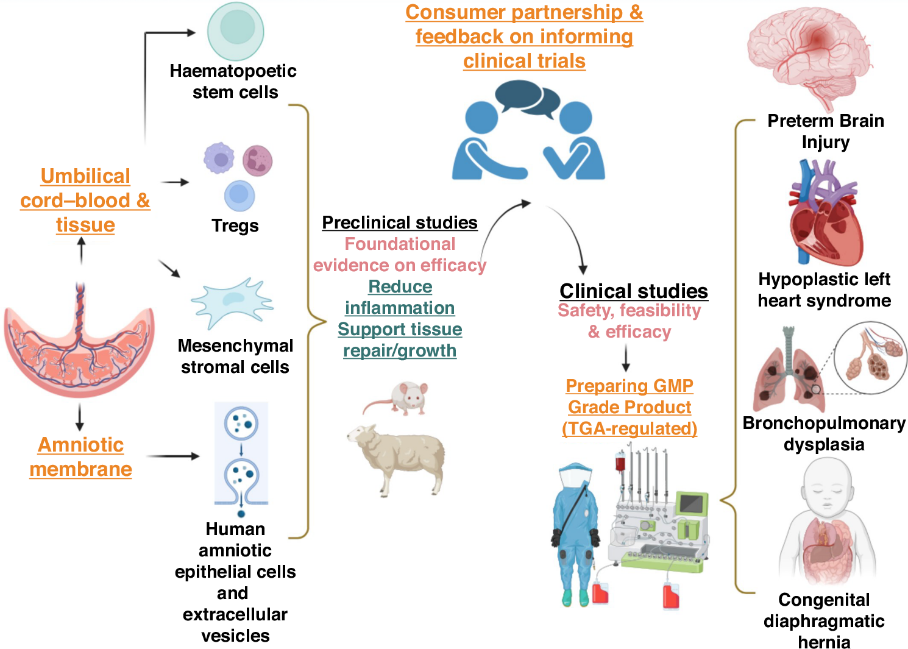
Fig. 1: Overview of proceedings of the 2025 Neonatal Cell Therapies Symposium.
Cell-based therapies, particularly those derived from umbilical cord blood (UCB), show promise due to their anti-inflammatory and neuroregenerative effects through paracrine mechanisms (inhibition of inflammation, reduction of apoptosis, promotion of angiogenesis, and support of endogenous repair). The phase I CORD-SaFe trial demonstrated the feasibility and safety of autologous UCB infusion in preterm infants, laying the foundation for larger studies. However, limitations in volume and timing have shifted approaches toward allogeneic UCB and expanded cell products, enabling standardization, availability, and broader applicability. The ALLO trial has preliminarily shown good tolerability and potential for improved neurological recovery.
In parallel, ex vivo expansion technologies help overcome dose limitations, allowing repeated administration from a single cord blood unit. Additionally, direct delivery of cells into the brain (intraventricular injection of UCB-derived MSCs) has shown greater efficacy in preclinical models and safety in clinical trials, with signals of improved neurodevelopmental outcomes.
Overall, UCB-based therapies (autologous, allogeneic, expanded) demonstrate safety, feasibility, and potential efficacy, and are being investigated globally for cerebral palsy and sequelae of perinatal brain injury. Advances in large animal models, omics analyses, and computational screening are accelerating clinical translation, enabling standardized evaluation and advancing the development of neonatal neuroregenerative therapies.
Pulmonary conditions
Bronchopulmonary dysplasia (BPD)
BPD is a severe lung disease in neonates, characterized by arrested lung development, chronic inflammation, and long-term sequelae, primarily in extremely preterm infants (< 28 weeks) due to mechanical ventilation, oxygen toxicity, and disrupted alveolar–vascular development. Despite multiple preventive strategies (antenatal steroids, non-invasive respiratory support, oxygen control, minimally invasive surfactant, early caffeine, nutrition, and selective corticosteroids), outcomes remain inconsistent.
MSCs are leading candidates, acting via paracrine mechanisms with anti-inflammatory, anti-apoptotic, antioxidant, and anti-fibrotic effects; VEGF is a key factor. Phase I and II clinical trials have demonstrated safety and signals of efficacy, particularly in high-risk groups, but clear benefits across the entire population have not yet been established.
Human amniotic epithelial cells (hAECs) are also a promising therapy due to their immunomodulatory properties, angiogenic potential, and high safety profile. Preclinical studies and early-phase trials have confirmed safety; however, application remains limited due to challenges in manufacturing and distribution. The therapeutic effects of hAECs are largely mediated by extracellular vesicles (EVs)—nano-sized particles carrying proteins, lipids, and nucleic acids—that regulate immune responses and promote tissue repair. hAEC-derived EVs show efficacy comparable to cells, with advantages in safety, standardization, and scalability, but barriers in production, dosing, and regulatory approval remain before clinical application.
Congenital diaphragmatic hernia (CDH)
CDH is a congenital anomaly with high morbidity and mortality, primarily due to pulmonary hypoplasia. It is characterized by inflammation (increased macrophages), reduced bronchial branching, abnormal cell differentiation, and vascular remodeling leading to postnatal pulmonary hypertension. The mechanisms involve dysregulation of lung developmental signaling pathways such as VEGF, TGF-β, BMP, Wnt/β-catenin, and Hippo–YAP, along with alterations in growth factors and microRNAs (reduced VEGF-A, dysregulation of miR-17~92 and miR-200), impairing epithelial, mesenchymal, and endothelial development.
The prognosis of CDH depends on the severity of pulmonary hypoplasia in utero; therefore, prenatal interventions to promote lung development are a key strategy. FETO (fetoscopic endoluminal tracheal occlusion) enhances lung growth and improves survival in selected cases, but does not improve surfactant production, does not reverse vascular injury, and is associated with complications.
Extracellular vesicles derived from amniotic fluid stem cells (AFSC-EVs) have shown promising preclinical results: restoring airway branching, cell differentiation, processes such as autophagy, and improving postnatal respiratory function. Their effects are RNA-dependent (particularly miRNAs such as the miR-17~92 cluster). Beyond the lungs, AFSC-EVs also reduce inflammation and improve fetal brain injury. AFSC-EVs demonstrate potential for protecting both lung and brain, representing a promising prenatal strategy; however, further studies in large animal models are required to establish safety and dosing.
Cardiac conditions
In neonates with severe congenital heart disease, early surgery is often required due to abnormal cardiovascular development. One severe form is HLHS (hypoplastic left heart syndrome), characterized by underdevelopment of the left ventricle, aorta, and mitral valve; infants may develop severe cyanosis and circulatory collapse when the ductus arteriosus closes. Prenatal diagnosis allows maintenance of ductal patency with prostaglandin E1 and timely referral. In HLHS, the right ventricle supports systemic circulation following Fontan physiology after staged surgeries, beginning with the Norwood procedure in the first week of life. The interstage period carries high risk due to right ventricular overload and hypoxia, leading to fibrosis and functional decline.
Cell-based therapy using umbilical cord blood mononuclear cells (UCB-MNCs) has been proposed to reduce adverse remodeling and improve cardiac function via paracrine mechanisms. Early-phase trials have demonstrated safety and preservation of right ventricular function when administered early during the Norwood procedure. However, studies at later stages have not shown clear functional improvement and have even suggested early myocardial injury. Limitations of autologous UCB include collection challenges and variability in quality; therefore, there is a shift toward allogeneic cell sources with advantages in standardization, low immunogenicity, and availability from cord blood banks.
Current results remain inconsistent, and optimization of timing, dosing, delivery methods, and patient selection is required. The neonatal Norwood procedure may represent a “window of opportunity” due to high biological plasticity, and large multicenter trials are needed to confirm long-term efficacy.
Fetal growth restriction
Fetal growth restriction (FGR) is a condition in which the fetus fails to grow adequately in utero, primarily due to placental insufficiency leading to reduced oxygen and nutrient supply. FGR increases the risk of stillbirth, severe preterm birth, and multiple complications; after birth, infants require more resuscitation, have reduced brain volume, and sustain neurological injury leading to long-term sequelae.
Brain injury in FGR is associated with hypoxia, oxidative stress, and inflammation, beginning in utero, with reduced gray matter maturation, impaired white matter myelination, and disruption of the blood–brain barrier (BBB). Therefore, neuroprotective therapies need to target multiple mechanisms.
Preclinical studies have shown that cells derived from umbilical cord blood (UCBCs) and endothelial colony-forming cells (ECFCs) can reduce inflammation, inhibit apoptosis, increase neurotrophic factors, and stabilize the BBB, thereby reducing brain injury. The Cord-SaFe trial demonstrated the feasibility of collecting and administering autologous UCBCs in extremely preterm infants (including those with FGR), but was not sufficient to evaluate neurological efficacy. Long-term follow-up is required to determine benefits on brain development.
Production of cell therapy products for clinical use
As cell therapies transition from research to clinical use, manufacturing becomes a critical bridge between innovation and patient care. Manufacturing facilities are standardized to deliver safe and effective cell products that meet clinical trial and regulatory requirements.
The process begins with the collection of biological materials (umbilical cord blood, placenta, amniotic membrane) under sterile and traceable conditions; followed by isolation, purification, and cryopreservation under GMP to ensure quality and stability. Products may be minimally manipulated (umbilical cord blood mononuclear cells) or advanced products (MSCs, EVs).
Manufacturing follows biological product regulatory frameworks and quality management systems (QMS), covering the entire process from donor selection and environmental control to release criteria (identity, potency, sterility, viability), while ensuring ethics and informed consent. This framework enables the safe, transparent, and effective clinical translation of regenerative therapies, particularly in hospital-based settings, aiming to provide high-quality cell therapies and equitable patient access.
Stakeholder involvement
Continuous and meaningful engagement of stakeholders enhances research effectiveness and the applicability of outcomes. For example, the Preterm Cell Therapies Parent Focus Group (Hudson Institute and Cerebral Palsy Alliance), consisting of parents of preterm infants, has contributed input from preclinical research to trial design. A key issue identified is the pressure of obtaining consent for cord blood collection during preterm labor; therefore, newer trials (such as the CORD-CELL RCT) apply “deferred consent,” allowing collection first and consent to be obtained after parents are stabilized. Engagement also helps parents connect, understand the research, and feel heard.
Similarly, the PREMSTEM (EU) project on MSCs derived from umbilical cord tissue has integrated parents and stakeholders through advisory boards and co-creation activities. This engagement improves communication, aligns research with real-world needs, and increases social acceptance, while supporting the translation of therapies into clinical trials.
Conclusion
A range of cell therapies are currently under preclinical and clinical investigation for neonatal conditions; some have progressed to late-stage trials, while others remain in early stages. Successful translation depends on coordinated collaboration among researchers, clinicians, industry, regulators, and families to ensure scientific rigor, scalable manufacturing, ethical standards, regulatory compliance, and feasibility for a highly vulnerable patient population.
References
Razak, A., Miller, S.L., McDonald, C.A. et al (2026). Progress in cell therapies for neonatal conditions: Proceedings of the Third Neonatal Cell Therapies Symposium (2025). Pediatr Res.
Source: Pediatric Research