
Annals of Medicine, 17/09/2026
Introduction
Intrauterine adhesions (IUA), or Asherman syndrome (AS), are a fibrotic condition caused by damage to the basal layer of the endometrium, leading to the formation of fibrous bands that partially or completely obstruct the uterine cavity. The main manifestations include menstrual disorders, amenorrhea, infertility, and recurrent miscarriage, affecting reproductive capacity and psychological health. Hysteroscopy is the gold standard for diagnosis and treatment evaluation. The primary treatment is transcervical resection of adhesions (TCRA) to restore endometrial structure and function. However, in cases of severe fibrosis, the recurrence rate of IUA after surgery can reach 60%, and high-dose estrogen after surgery remains of limited efficacy.
Platelet-rich plasma (PRP) is an adjunctive tissue regeneration therapy with the advantages of using autologous blood and being minimally invasive. PRP is prepared from peripheral blood, with a platelet concentration 4–8 times higher than that of whole blood, usually >1,000,000 platelets/µL. Intrauterine infusion of PRP during adhesiolysis helps release PDGF, TGF, IGF, VEGF, EGF, and FGF, promoting cell migration, proliferation, differentiation, and angiogenesis. Platelet-derived factors also support the function of endometrial progenitor cells; in particular, PDGF subtypes increase the proliferation, migration, and contractile capacity of endometrial stromal cells.
Studies have shown that PRP may increase menstrual volume and duration, endometrial thickness, and clinical pregnancy rates. However, the therapeutic efficacy of PRP for IUA remains controversial and requires further high-quality evidence. This review focuses on evaluating the mechanisms, clinical efficacy, and safety of PRP as an adjunctive/combination therapy for IUA, while also discussing its clinical value and future development directions.
Mechanisms and efficacy of PRP monotherapy in IUA treatment
Mechanistic basis
Promotion of endometrial cell proliferation and inhibition of fibrosis
Damage to the basal layer of the endometrium caused by curettage or infection reduces its regenerative capacity, promotes collagen deposition, fibrosis, and IUA formation, thereby affecting embryo receptivity and endometrial perfusion. In a rat IUA model, PRP increased endometrial thickness and area, as well as the number of glands, while reducing collagen deposition, indicating its potential to promote regeneration and reduce fibrosis.
Regulation of proliferation and migration in endometrial mesenchymal stem/stromal cells (EndoMSCs)
PRP promotes the proliferation and self-renewal of EndoMSCs; a study on rat uterine MSCs recorded a Ki-67 index of 41.9% (p = 0.04). PRP from peripheral blood and umbilical cord blood both increased endometrial stromal cell proliferation (p < 0.0394 and p < 0.0001, respectively), with umbilical cord blood-derived PRP showing greater efficacy. Activated PRP was also more effective than platelet-poor plasma (p < 0.0034), which was associated with the PI3K-Akt pathway. PDGF-BB in PRP may reduce fibrosis through the regulation of YAP/SMAD3, decreasing fibrotic proteins such as collagen I and CTGF.
Promotion of angiogenesis
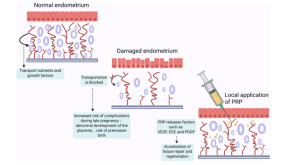
PRP increases the angiogenic factors HIF1α, HIF2α, VEGF-A, Ang-1, HGF, and IGF-1 in injured endometrial tissue. HIF1α/HIF2α stimulate VEGF, promoting angiogenesis as well as endothelial cell proliferation and migration. In an IUA model, PRP also significantly increased VEGF mRNA and protein levels, supporting endometrial repair through angiogenesis.
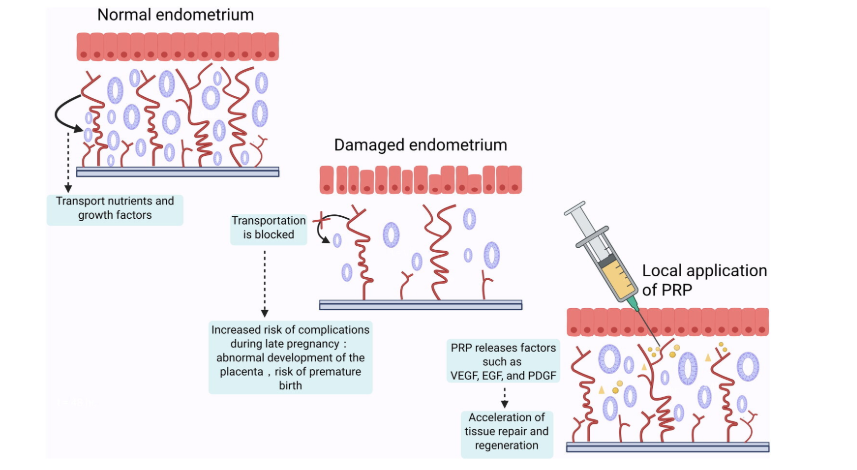
Figure 1. Schematic diagram of the mechanism by which PRP repairs endometrial dysfunction after IUA surgery through promoting angiogenesis.
Modulation of inflammatory responses
PRP has anti-inflammatory effects, reducing neutrophil infiltration and intrauterine fluid. In an LPS-induced endometrial inflammation model at 10 ng/mL, PRP reduced the expression of IL-1β, iNOS, COX2, and IL-8 (p < 0.01). In an ethanol-induced endometrial injury model, PRP also reduced IL-1β, indicating its potential to limit the inflammatory response associated with IUA.
PRP acts through multiple mechanisms, including promoting EndoMSC proliferation and migration, reducing fibrosis, promoting angiogenesis, and modulating inflammation, thereby supporting the regeneration of endometrial structure and function. However, current evidence is mainly derived from animal and in vitro studies; the optimal dose and treatment regimen have not been standardized, and further multicenter clinical trials are needed to confirm its efficacy and safety.
Clinical efficacy assessment
PRP has been used for more than 30 years in orthopedics, dermatology, and dentistry. In obstetrics and gynecology, evidence is still accumulating but indicates its therapeutic potential for IUA. A retrospective study reported that intrauterine PRP infusion after hysteroscopic adhesiolysis significantly reduced the adhesion score. A randomized controlled trial also showed that PRP reduced adhesion recurrence while improving menstrual blood volume and endometrial thickness.
However, the results have not been consistent. In Javaheri’s study of 30 patients with AS who underwent hysteroscopic adhesiolysis and intrauterine catheter placement, no significant differences in adhesion severity assessed by hysteroscopy or menstrual cycles were observed between the PRP and control groups after 8–10 weeks; pregnancy outcomes were not evaluated. Studies of autologous PRP have also shown conflicting results regarding endometrial thickness: some reported an increase, whereas others found no effect.
The differences may be related to the method of PRP administration, processing procedures, age, and comorbidities. The optimal dose and treatment frequency, as well as long-term efficacy and safety, have not yet been established; standardized procedures for PRP preparation and use are also lacking, making comparisons between studies difficult.
Improving pregnancy outcomes
In 2018, Aghajanova et al. first reported the application of PRP in the treatment of AS in two cases, showing that PRP may improve endometrial function and support pregnancy. Studies have shown that PRP has the potential to increase endometrial thickness, clinical pregnancy rates, and pregnancy outcomes. In AS rats, PRP increased implantation sites and achieved a live birth rate of 83.3%, whereas the untreated group had no successful births. In a case report of a 31-year-old woman with AS, after two PRP infusions administered 3 days apart, endometrial thickness reached 7.7 mm; subsequent transfer of a high-quality Grade A blastocyst resulted in the birth of a healthy infant at 37 weeks.
In patients with recurrent implantation failure, one study reported a pregnancy rate of 90%; a randomized trial also showed that PRP improved clinical pregnancy, ongoing pregnancy, and implantation rates. A meta-analysis of 625 patients found that PRP significantly increased biochemical pregnancy, clinical pregnancy, and implantation rates. However, some trials found no differences in pregnancy rates, and a retrospective study in patients with severe IUA also found that PRP did not significantly improve endometrial thickness or pregnancy rates.
The heterogeneity among studies may be due to differences in patient populations, IUA severity, PRP preparation and activation procedures, administration route, dose, treatment timing/frequency, PRP retention time, and follow-up duration. In particular, IUA and thin endometrium have different pathophysiological mechanisms; the severity of adhesions also affects reproductive outcomes, with mild–moderate IUA having higher post-surgical pregnancy rates than severe IUA. In addition, the criteria for defining “clinical pregnancy” have not been completely standardized.
Overall, PRP has the potential to improve pregnancy outcomes, but current evidence remains inconsistent and no standardized protocol has been established. Well-designed randomized controlled trials are needed to evaluate its ability to reduce IUA recurrence and improve pregnancy and live birth rates. Appropriate patient assessment and selection should also be individualized because implantation is influenced by multiple inflammatory and immune factors.
Safety evidence
PRP is prepared from autologous blood, thereby limiting the risks of immunogenicity and transmission. However, blood processing still carries a risk of contamination if sterility is not ensured; therefore, strict aseptic techniques are required during PRP preparation and infusion. PRP also has antibacterial effects against some microorganisms such as S. aureus, N. gonorrhoeae, and group A streptococci. Current clinical data indicate that PRP has a favorable safety profile, with adverse events being rare and generally mild and transient. The largest meta-analysis, including 730 patients from 10 studies, reported adverse events in 3 studies but no cases of rash, fever, abdominal pain, abnormal uterine bleeding, or thrombosis; the remaining studies reported no adverse events. Another meta-analysis of 21 RCTs involving 2,406 patients showed that PRP had a relatively well-established safety profile compared with methods such as amniotic membrane, HA, G-CSF, and IUD. However, long-term follow-up data and data in high-risk groups remain limited.
PRP monotherapy may support endometrial repair after IUA surgery, but its efficacy may be limited in cases of severe adhesions or deep damage to the basal layer of the endometrium, as the regenerative stimulation provided by growth factors may not always be sufficient to fully restore endometrial function. Therefore, combination strategies involving PRP may provide additional benefits and are being considered as a more advanced therapeutic approach.
Application advantages of autologous PRP
Autologous PRP has the core advantage of being autologous in origin, helping to avoid immune reactions and the risk of disease transmission from allogeneic/xenogeneic preparations, thereby increasing safety and patient acceptability. However, safety data remain limited (particularly regarding effects on endometriosis), and the preparation process has not been standardized, leading to differences in PRP quality and composition.
A meta-analysis of 10 clinical trials (730 patients) showed that autologous PRP increased:
- Menstrual blood volume: WMD = 2.96; 95% CI: 2.30–3.61; p < 0.001.
- Menstrual duration: WMD = 1.13; 95% CI: 0.86–1.41; p < 0.001.
- Endometrial thickness: WMD = 0.79; 95% CI: 0.40–1.19; p < 0.001.
- Clinical pregnancy rate: OR = 1.82; 95% CI: 1.19–2.78; p = 0.006.
However, PRP did not significantly change the recurrence rate of moderate–severe IUA, FS score, miscarriage rate, or live birth rate. Both autologous and allogeneic PRP have favorable safety profiles, but long-term data on reproductive outcomes and maternal–infant health remain lacking.
Differences in regulations between countries also affect the clinical application and consistency of PRP. Existing studies generally have small sample sizes and short follow-up periods; therefore, larger long-term studies are needed.
An important cause of differences in outcomes is the lack of uniformity in PRP preparation procedures, including:
- Centrifugation: centrifugation forces of 150–1000 g, with variations in centrifugation time and number of cycles.
- Platelet concentration: approximately 2–8 times higher than baseline, with no consensus on the optimal range.
- Activation: PRP may be non-activated or activated using CaCl₂, thrombin, or freeze–thaw cycles, affecting the amount and kinetics of growth factor release.
- Leukocyte content: pure or leukocyte-rich PRP may create different inflammatory environments.
Therefore, the lack of standardized international guidelines for PRP preparation in reproductive medicine is a major obstacle to comparing research outcomes and routine implementation.
Combined PRP therapy: synergistic mechanisms and clinical outcomes
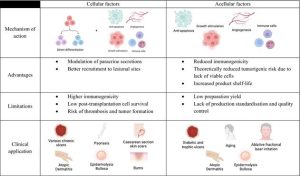
For endometrial repair and regeneration, the “three-component synergistic treatment strategy” combines MSCs, PRP, and advanced delivery systems to improve the endometrial microenvironment, promote angiogenesis, and enhance clinical efficacy through the synergistic effects of multiple mechanisms.
This strategy integrates cell therapy, PRP, and advanced delivery systems: MSCs provide regenerative potential; PRP releases growth factors such as PDGF and VEGF, enhancing cellular activity; and the scaffold system enables local delivery and sustained release. Mechanistically, the therapy activates the PDGFR/VEGFR, PI3K/Akt, and Hippo/TAZ pathways, thereby promoting angiogenesis, reducing fibrosis, and restoring endometrial function, creating a synergistic “1 + 1 > 2” effect in the treatment of intrauterine adhesions.
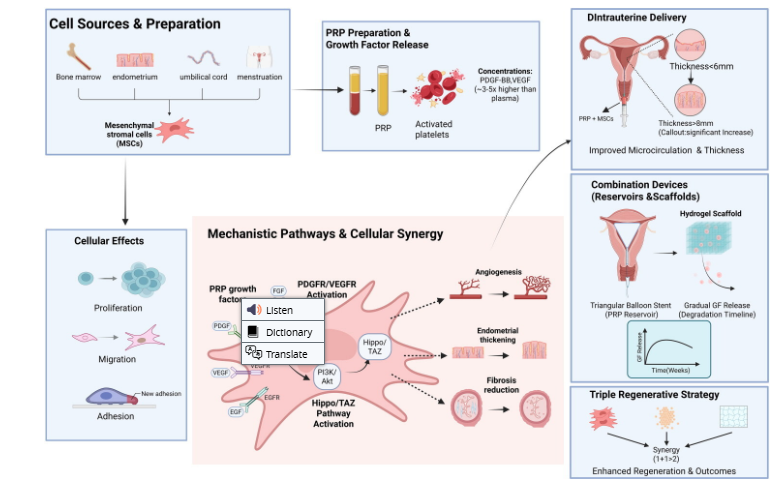
Figure 2. Synergistic mechanisms and clinical outcomes of PRP combination therapy.
Synergistic application of PRP combined with MSCs
Synergistic mechanisms
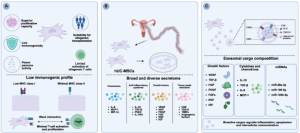
PRP combined with MSCs exerts synergistic effects on cell proliferation, migration, angiogenesis, and fibrosis reduction. MSCs may be derived from bone marrow, endometrium, umbilical cord, or menstrual blood; while PRP provides growth factors such as PDGF-BB, VEGF, EGF, and FGF, promoting endometrial cell migration and adhesion.
PRP combined with MSCs activates the PI3K/Akt and Hippo/TAZ pathways, thereby enhancing proliferation, angiogenesis, and endometrial repair. Studies have shown that MenSCs + PDGF more strongly promote proliferation, migration, angiogenesis, and Akt/Bad phosphorylation than monotherapy. At the same time, PRP may enhance MSC activity by promoting proliferation, migration, cell cluster formation, and recruitment of cells to the site of injury, thereby enhancing endometrial regenerative capacity.
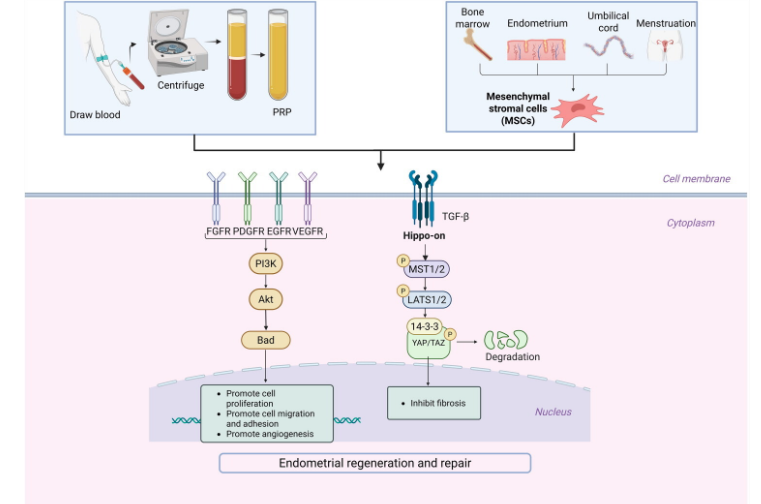
Figure 3. The synergistic mechanism of PRP and MSCs in promoting endometrial regeneration.
Clinical application advances
Clinical studies have shown that the combination of autologous endometrial-derived MSCs with autologous PRP provides significant benefits in patients with refractory thin endometrium, with marked increases in endometrial thickness and clinical pregnancy rates. Among 29 patients treated in combination with ovulation-inducing hormone therapy, 23 (79%) achieved clinical pregnancy and 10 (34.5%) had live births.
Tandulwadkar et al. also reported a case of severe Asherman syndrome (AS) treated with ABMDSCs combined with PRP. Under hysteroscopic guidance, ABMDSCs and PRP were injected into the endometrium, resulting in improved endometrial thickness and a successful pregnancy outcome.
Synergistic application of PRP combined with intrauterine stents
Combined mechanism
There are currently few studies clarifying the interaction mechanism between PRP and intrauterine stents. The combination of PRP with a triangular balloon stent may create a synergistic “1 + 1 > 2” effect: the stent acts as a “reservoir,” helping retain PRP in the uterine cavity and prolonging the release of growth factors; conversely, PRP provides biological activity to the stent scaffold, creating a favorable microenvironment for cell migration, proliferation, and differentiation. The combination of the mechanical support of the stent and the biological stimulation of PRP helps reduce early adhesion recurrence, promote endometrial regeneration, and restore uterine morphology and reproductive function.
Clinical outcomes
The study by Peng et al. found no significant differences in AFS scores and biochemical pregnancy rates among PRP, intrauterine balloon, and combination treatment. In contrast, Shen et al. showed that PRP + ISB balloon reduced AFS scores more than balloon alone (p < 0.05), while also improving PBAC more markedly (29 vs. 16 points, p < 0.001) and increasing endometrial thickness after treatment. The use of an ISB balloon prolongs the retention time of PRP in the uterine cavity, which may contribute to enhanced endometrial regeneration and healing.
A meta-analysis of 21 RCTs involving 2,406 patients showed that multiple balloon combination methods, including PRP + balloon, reduced AFS scores. According to the SUCRA analysis, PRP + balloon had relatively favorable efficacy in reducing AFS; however, there was no significant difference in clinical pregnancy rates between PRP + balloon and other combination therapies. For moderate–severe IUA recurrence, PRP + balloon has not yet demonstrated a statistically significant reduction. Therefore, current evidence supports the potential of PRP + balloon, but further high-quality RCTs are needed to confirm its efficacy.
PRP combined with hydrogel
Hydrogel is a 3D polymer network that helps maintain tissue structure and control the release of active substances. HA also supports cell migration and ECM remodeling; cross-linked HA hydrogel is used as a physical barrier to limit IUA recurrence.
PRP-containing hydrogel prolongs retention time and the release of growth factors while providing a protective barrier. In IUA models, hydrogel-PRP reduces fibrosis, promotes endometrial regeneration and angiogenesis, and reduces inflammation through NF-κB.
In patients with moderate–severe IUA, a HA + PRP double-network hydrogel increased menstrual blood volume, perfusion, and the number of endometrial glands, while reducing IUA scores; it also increased the expression of ERα, MKI67, and CD31 and activated WNT/SOX9/LGR5. This hydrogel system also demonstrated greater stability and sustained growth factor release than HA or PRP alone, thereby supporting endometrial repair and regeneration and limiting adhesion recurrence.
Triple regeneration strategy
The three-component regenerative strategy combines MSCs + PRP + ECM hydrogel to reconstruct the endometrial microenvironment. Zheng et al. developed a self-healing, antioxidant-rich injectable hydrogel from tHA and tChi, encapsulating PRP and adipose tissue-derived stem cells. In a thin endometrium mouse model, this system activated VEGF/AKT/BAD, promoted angiogenesis, increased endometrial thickness, reduced fibrosis, and improved endometrial receptivity and pregnancy rates.
The combination of PRP, stem cells, and HA represents a shift from single interventions toward tissue microenvironment reconstruction. In terms of evidence level, HA has Level 1 evidence; a meta-analysis of 16 RCTs involving 2,359 patients showed that HA was safe and effective in reducing moderate–severe IUA. PRP has Level 2 evidence, with multiple meta-analyses showing improvements in endometrial thickness and clinical pregnancy rates, but evidence regarding live birth rates remains limited. Stem cells have only Level 3–4 evidence, with small clinical studies; a 2025 study of autologous endometrial stem cells included only 15 patients.
Currently, HA + PRP + stem cells has only preclinical evidence from animal studies, with no safety or efficacy data in humans. Therefore, this strategy still needs to be validated through well-designed clinical trials before it can transition from a theoretical model to clinical application.
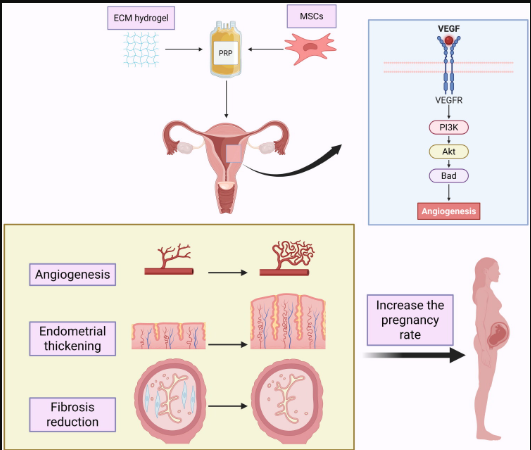
Figure 4. Schematic diagram of the ‘triple regeneration strategy’ for IUA.
Limitations
This review has several limitations. First, it is a narrative review and does not apply a systematic search strategy or formal quality assessment, which may introduce selection bias. Second, the available evidence remains limited due to small sample sizes, a lack of long-term follow-up data, and few well-designed double-blind RCTs, particularly studies using live birth rate as the primary endpoint.
Third, heterogeneity in PRP preparation and administration procedures across studies limits comparability and prevents firm clinical recommendations from being made. Finally, most mechanistic evidence comes from in vitro studies and animal models, which may not fully reflect the complex pathogenesis of IUA in humans. Therefore, caution is needed when interpreting the current evidence, and further research is required to clarify the efficacy and safety of these treatment strategies.
Conclusions and future directions
PRP has the potential to reduce adhesion recurrence and improve endometrial receptivity through promoting cell proliferation, reducing fibrosis, regulating MSCs, angiogenesis, and inflammation. Meta-analyses have shown improvements in endometrial thickness, menstrual blood volume, and clinical pregnancy rates (OR 1.82), but evidence for live birth, miscarriage, and moderate–severe IUA recurrence remains limited, particularly in severe IUA.
Current evidence is relatively clear for endometrial thickness and menstrual blood volume, but remains insufficient for live birth and long-term safety. PRP may be considered for selected patients with mild–moderate IUA, refractory thin endometrium, or RIF, but should not yet be used routinely or prophylactically.
Differences in PRP preparation and administration contribute to inconsistent outcomes. Large multicenter RCTs are needed to standardize PRP protocols and determine the optimal dose, activation method, administration frequency, and long-term safety and cost-effectiveness.
Overall, PRP is a promising adjunctive therapy but is not yet supported by sufficient evidence to become a standard treatment and should preferably be used within clinical research.
References
Xiong, D., Mao, G., Zhao, J., Zi, D., & Qiu, F. (2026). Platelet-rich plasma as an adjuvant therapy for intrauterine adhesions: a narrative review of mechanisms, clinical efficacy and combination strategies. Annals of Medicine, 58(1).
Source: Annals of Medicine
Link: https://www.tandfonline.com/doi/full/10.1080/07853890.2026.2731715